
Hi, I'm Jason!
Ai & Automation Strategist
Obsessed with meaningful, durable solutions
Focusing on spirits and hospitality brands.















Events
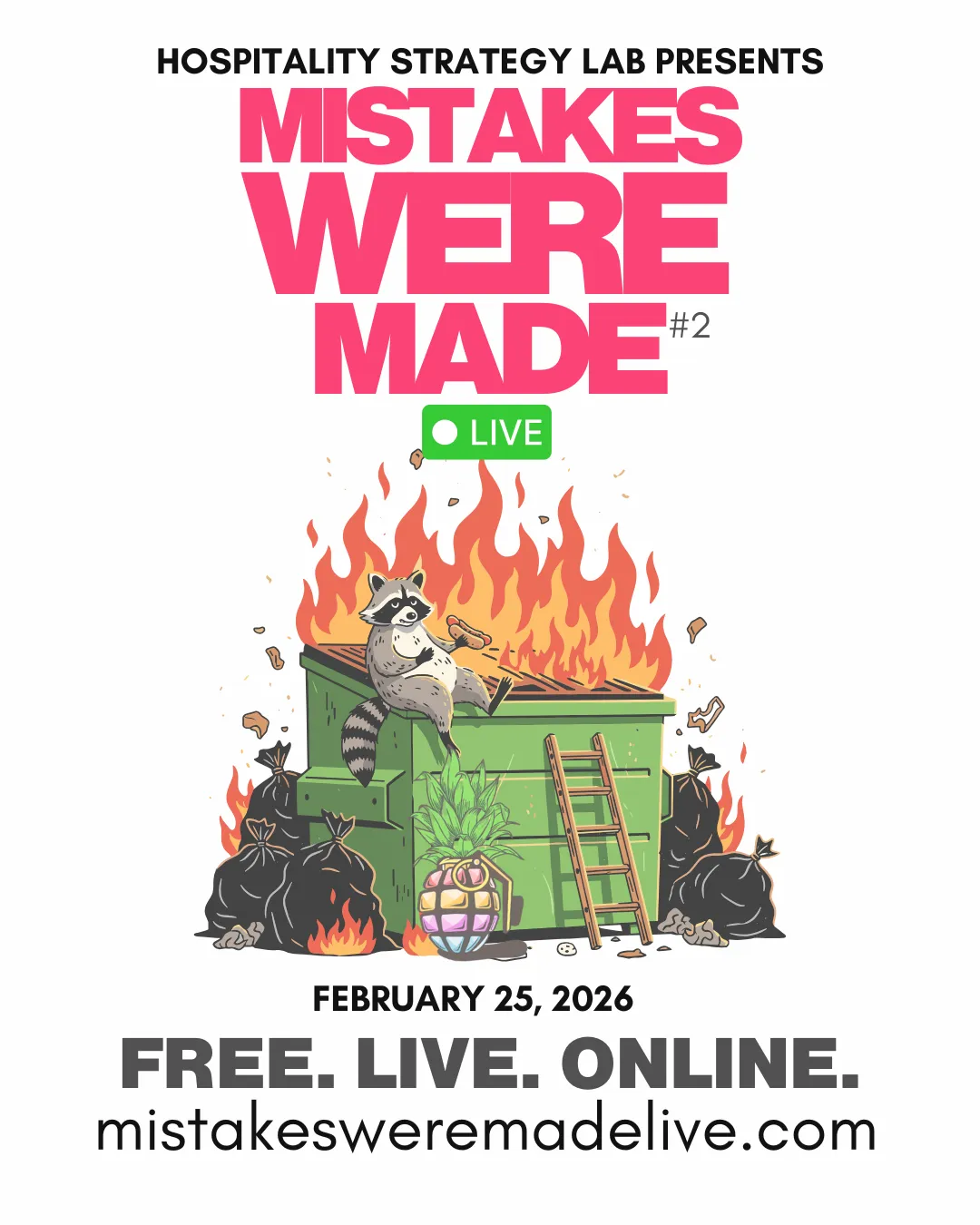
Mistakes Were Made
Connections
BarTeams.com

Find Vendors
Find Staff
Connect with Brands
Equipment Classifieds
Media
Hospitality Strategy Lab

Podcast
Community
Training
Brand Sales System
The Rockey Method
Ai and Automation Systems
Delivery Conversion Systems
Software
Kinetic Management Systems

New Book (Summer 2026)


3 Essential Platforms for a More Productive Year
I know how overwhelming a year can feel when projects pile up, staff schedules shift, and the holiday rush looms on the calendar. I picked three platforms that target different productivity needs so you can choose the one that actually fits your work style and constraints.
Whether you run a team, want a personal system to stay focused, or need a simple habit and goal tracker, these tools can help you reclaim time and reduce stress.Each choice focuses on a clear benefit — collaboration, personal focus, or habit tracking — so you can start the year with momentum.
Top Picks
🏆 Best For Teams:FlowyTeam- $59
🎯 Best For Focus:Chaos Control- $99
⭐ Best For Habits:Illumtori- $39
How I Picked These Platforms
I looked for tools that solve real problems I encounter in a busy year: clear onboarding, robust feature sets for the intended audience, and reasonable pricing. I prioritized platforms that scale (so a small team today can grow without switching tools), that work reliably during peaks like the holiday rush, and that match specific user needs — for example, a restaurant owner who needs schedule and staff management will want a different feature set than someone managing personal habits. I also weighed real user feedback on reliability and support, feature depth vs. complexity, and whether the app supports offline use, integrations, or automation.
In short, I balanced usefulness, learnability, and value for money.
🏆 Best For Teams
FlowyTeam
I found FlowyTeam to be a Swiss Army knife for small teams — everything from OKRs and project boards to payroll and invoicing sits in one place. Day to day, I use it to manage tasks, track time, and keep team goals visible.
For busier stretches like a product launch or seasonal staff spikes, the project Gantt charts, learning hub, and ticketing system make coordination less chaotic. If you run a small business or even a bar owner juggling schedules and inventory, FlowyTeam lets you centralize work and hook into automation software like n8n to cut repetitive tasks.
It’s not the lightest app out there, but for teams that want fewer subscriptions and more consolidated workflows, I’d recommend giving it a try.
Pros:
✅Wide feature set reduces the need for multiple apps
✅Strong goal-setting tools (OKRs, KPI trees)
✅Includes HR and finance modules for complete operations
✅Good value compared to buying separate platforms
Cons:
❌Support can be slow at times
❌Can feel overwhelming at first with many modules
❌Some businesses may not need all features
Cost Over Time
Because FlowyTeam replaces several single-purpose subscriptions (project tools, HR, invoicing, CRM), you can save on overlapping fees and reduce admin time. Over a year, that consolidation often pays off for growing teams.
Reliability
FlowyTeam serves thousands of organizations and generally runs smoothly. A few users report slow responses from support, but the platform itself is stable and feature-complete.
Learning Curve
There’s a learning curve — expect to spend time upfront mapping where you’ll use projects vs tasks, and watching a couple of tutorials helps. Once set up, adoption becomes much easier.
Team Features
Strong collaboration with Kanban, Gantt, whiteboards, 360° reviews, and shared dashboards. Permissions and team structures make it easy to keep work visible without oversharing.
Key Benefits
All-in-one platform centralizes projects, HR, CRM, and finance
Built-in OKRs and KPI dashboards keep teams aligned
AI tools and n8n integration support automation software workflows
Covers HR needs (payroll, attendance) and client-facing tickets
Scales from small teams up to ~1,000 employees
Current Price:$59
Rating:4.46(total: 111+)
🎯 Best For Focus
Chaos Control
I use Chaos Control when I need to move from scattered notes to a clear plan. It organizes work with Areas → Goals → Tasks, a Chaos Box for quick ideas, and recurring schedules so nothing slips. It’s great for everyday routines — shopping lists, project steps, or timing focused work — and it also helps when special seasons hit: a restaurant owner I know used it to line up prep tasks, staff shifts, and inventory before the holiday rush. It works offline and syncs across devices, so you can capture things on your phone and pick them up on your laptop.
For anyone who wants a focused, practical planner without fluff, this is a solid pick.
Pros:
✅Simple, focused interface that reduces overwhelm
✅Works offline and syncs when you’re back online
✅Useful Chaos Box for quick capture and triage
✅Good value compared to ongoing subscription apps
Cons:
❌AI requests and transcriptions are limited (tiered caps)
❌Not built as a full team collaboration suite
❌A few users report occasional hiccups with AI/transcription limits
Cost Over Time
A one-time purchase (or single plan) can replace a few subscription-based tools for personal planning and small-team use, which lowers ongoing fees and reduces tool sprawl over time.
Reliability
Most users find it stable and reliable for daily planning; support is responsive and the app gets updates. Some have hit limits around AI/transcriptions that can temporarily affect workflow.
Learning Curve
Pretty gentle for basic use — jotting tasks and using the Chaos Box is immediate. Advanced setups (projects, recurring rules, or integrating voice/AI features) take a little trial and error.
Team Features
Sync across devices and multi-device licenses let a handful of people stay aligned, but it lacks deep team features like complex permissions or shared dashboards found in larger team platforms.
Key Benefits
Clear hierarchy (Areas → Goals → Tasks) turns ideas into actionable steps
Chaos Box lets you dump thoughts and sort them later
Offline use with device sync keeps things available anywhere
Recurring tasks, timers, and reminders help maintain routines
One reasonably priced plan covers multiple devices/licenses
Current Price:$99
Rating:4.78(total: 45+)
⭐ Best For Habits
Illumtori
I reach for Illumtori when I want one place for daily tasks, habits, and bigger goals. It blends a habit tracker, goal planning, calendar reminders, notes, and even basic budgeting so I don’t bounce between five apps.
For everyday use it’s great for morning routines, meal planning, or keeping a running running list of errands; for busier stretches a bar owner I know used it to line up prep tasks and shift notes before a weekend rush while pairing it with light automation software for reminders. It’s not perfect — the mobile app needs polishing — but for solo use or simple personal workflows it’s a friendly, no-fuss companion I’d recommend trying.
Pros:
✅Clean, straightforward interface that’s easy to start using
✅All-in-one approach replaces several single-purpose apps
✅Good value for individuals and solopreneurs
✅Useful habit tracking and goal views for long-term progress
Cons:
❌Mobile app has reported bugs and occasional freezes
❌Support response can be slow according to some users
❌Not built as a full team collaboration platform
Cost Over Time
At a one-time-ish price point like $39 it can replace a couple of subscription tools for personal planning, which cuts ongoing costs and keeps most of your planning in a single place instead of spreading payments across services.
Reliability
The web experience is generally solid, but several users report mobile instability, freezes, and occasional feature gaps. Expect updates and fixes, but be aware some workflows may need patience while things improve.
Learning Curve
Very gentle for basic tasks and habit tracking — you can start using it the same day. More advanced uses like detailed goal structures or custom tags take a little experimentation.
Team Features
Primarily focused on personal productivity rather than deep team workflows. It works well for solo owners or small setups; a bar owner, for example, can use it personally alongside automation software for reminders, but it won’t replace a full team platform with permissions and shared dashboards.
Key Benefits
Tracks tasks, goals, and habits in one place to cut app clutter
Calendar with reminders keeps deadlines and routines visible
Custom tags and insights help you spot where time is going
Notes with encryption for private thoughts and planning
Budgeting and analytics give quick financial visibility alongside tasks
Current Price:$39
Rating:4.27(total: 51+)
FAQ
Which Platform Should I Buy First For A More Productive Year?
I usually recommend matching the tool to the problem rather than chasing features. If I’m organizing a small team or a growing company and want anall-in-oneplace for strategy, HR, finance and projects, I lean toward FlowyTeam at $59 for the entry deal because it covers OKRs, CRM, payroll and even has automation software hooks (great when you want to connect processes). If I want a reliable personal/project organizer that works across devices and even offline for busy days, I choose Chaos Control at $99 because it excels at daily plans and syncing.
If I need a simple, intuitive task and habit manager for one person, I pick Illumtori at $39. As a bar owner or restaurant owner facing the holiday rush, I’d prioritize shift scheduling, recurring inventory tasks and templates first, so FlowyTeam or Chaos Control are my top picks depending on whether I need team features or lightweight personal scheduling.
I also factor in onboarding time, support responsiveness and the number of users allowed—so pick the tier that matches your team size and give yourself a couple of weeks to get everyone up to speed.
How Do I Use These Platforms Together Without Duplicating Work?
I avoid duplication by choosing a single source of truth for each domain: I make FlowyTeam the place for team strategy, payroll and client records, I keep Chaos Control for personal task capture and daily focus, and I use Illumtori for quick habit tracking. I then link them through exports, shared calendars or automation software where available; for example, I use FlowyTeam’s integration points or an external automation tool to push scheduled tasks into Chaos Control or calendar events for the team. When the holiday rush hits, I create templates for recurring events (staffing, ordering, promotions) and tag them clearly so they don’t get recreated.
My practical tip is to name things consistently and establish a simple rule like “projects in FlowyTeam, daily tasks in Chaos Control” so everyone knows where to look and we avoid re-entering the same item.
What Are The Common Concerns About Reliability, Support, And AI Limits?
I hear three recurring worries: support speed, bugs, and AI or feature limits. From reviews I’ve seen, FlowyTeam can be feature-rich but some customers report slow support responses, Chaos Control recently had limits on AI requests and transcriptions (ten per week on some plans) and Illumtori can show mobile quirks for some users. I address these by alwaysrunning a short pilotwith the people who will use the tool, exporting and backing up important data before switching, and testing critical workflows like payroll or shift scheduling ahead of peak times. If I’m a bar owner or restaurant owner preparing for a busy season, I validate support SLAs and prepare manual fallbacks for the holiday rush.
Finally, I budget for training time and consider the real cost: FlowyTeam’s entry deal is $59, Chaos Control is $99, and Illumtori is $39, but the time saved and fewer mistakes during peak periods often justify that spend.
Wrapping Up
After trying and comparing these tools, I found that each serves a distinct purpose: FlowyTeam brings everything together for small to mid-size teams that need strategy, HR, CRM, and projects in one place; Chaos Controlis my pick for personal focus and offline reliability when I want a single app to anchor my daily work; and Illumtoriis best when I just need to track habits, goals, and simple tasks without a learning curve. If you are preparing for busy seasons or the holiday rush, or you’re a restaurant owner balancing staff, menus, and bookings, choose the platform that maps to your daily responsibilities and growth plans — that decision will save you time and headaches all year long.

"This has both saved me time and Increased our guest retention by showing we care about guest experiences."
-Ben

"It opens a ton of doors for you without exhausting your own time and efforts. The support from the team and the automations have all been very helpful and fluid."
-Jen
"[Jason is] reliable, genius, integrous and open. Without a doubt, man of his word who is open to change, clear on objectives."
- Samantha
"Honestly, I’m not technical. But your team walked me through it all, and it just works."
-Cliff
"Without this system, we would’ve lost half our leads. This fixed the cracks we didn’t know we had."
-Samantha
I Saw a 5x Return -- That's Real
- Ezra
Who is Jason Littrell?
Jason Littrell is a seasoned cocktail maker, bar consultant, event producer, speaker, author, and brand marketing expert with over a decade of experience in the hospitality industry.
What services does Jason Littrell offer?
Jason offers a range of services including bar consultancy, cocktail menu development, staff training, event production and management, keynote speaking, educational workshops, and brand marketing strategies in NYC, 100% free of charge. For more details, please use the chat widget or contact form.
Can Jason Littrell help in designing and setting up a new bar?
Absolutely. Jason specializes in bar consultancy, including design, menu creation, staff training, and operational efficiency, tailored to the unique needs of each client.
As a speaker, what topics does Jason typically cover?
Jason speaks on a range of topics including cocktail culture and history, bar and hospitality industry trends, brand building, and customer engagement strategies.
Has Jason Littrell authored any books or articles?
Yes, Jason is the author of Bartender as a Business, and contributed to several publications in the field of cocktails and hospitality.

How does Jason approach brand marketing in the hospitality sector?
Jason combines his deep industry knowledge with innovative marketing techniques to create compelling brand narratives and engagement strategies that resonate with target audiences.
What is Kinetic Management Systems?
KMS is the business Jason owns that implements hospitality management systems for sales, marketing HR, and operations. This site is built with KMS, and if you call any of the phone numbers, fill out any of the forms, engage with the chat, you're engaging with KMS systems. For more info, check out kmsops.com
What makes Jason’s approach to cocktail making and bar consultancy unique?
Jason's approach is rooted in a deep understanding of both the art and science of cocktail making, combined with a keen insight into current trends and customer preferences, making his consultancy highly effective and personalized.
Terms of Service

(C) 2026 Critical Mass Events, LLC (d.b.a. Jason Littrell, Ltd.)
All Rights Reserved
Text or Call 917-983-2150