The problem with running a hospitality business in 2026
Most independent bars and restaurants are running their operation across eight or nine tools that don't talk to each other. Google for reviews. Resy or OpenTable for reservations. A separate email tool. SMS through someone. Instagram and Facebook in two more inboxes. A POS that lives on an island. A loyalty app nobody really uses. And a spreadsheet holding the whole thing together that one manager updates and nobody else trusts.
Every one of those tools is fine on its own. Stacked together, they create the same problem in every operation I walk into: things fall through. A DM goes 11 days without a response. A two-star review sits for a week. A guest who used to come in three times a month hasn't been back in 90 days and nobody noticed. A reservation request from a regular gets buried.
The drinks aren't the problem. The team isn't the problem. The problem is that nobody has a single place where the work actually lives.
What KMS Connect is
KMS Connect is the operating layer I build for my clients. It's not a piece of software you buy off the shelf. It's a configured, branded, hospitality-specific operations platform that sits on top of the work you already do and runs the parts that don't need a human anymore.
The way I describe it to operators: it's the back office that holds the bar together. You see a single dashboard. Underneath it, AI and automation are doing the work that used to take 15 to 25 hours of management time a week.
What it actually does
One inbox for everything. Google Business messages, Yelp, Instagram DMs, Facebook messages, SMS, email, and reservation platform inquiries all land in one queue. Sorted by urgency. Tagged by topic. Nothing slips because there are no more tabs to forget to check.
AI-drafted responses, human approved. New review comes in, the system reads it, drafts a response in your voice, and queues it for a 30-second human approval. Same for inquiries that match patterns you've already answered ten times. Manager time per response drops from 5-8 minutes to 30 seconds. Response rate goes from 12% to 80% inside a month. Google rewards that with local search ranking.
Guest history that actually gets used. Every guest gets tagged. First visit, anniversary, food preferences, the time they came in for their birthday and the bartender pulled out the special bottle. Birthday automations fire 7 days before, 1 day before, and 1 week after. Lapsed guest sequences trigger at 60 days of inactivity, with a personalized note that references their actual history.
SMS that gets read. Reservation confirmations, event reminders, win-back campaigns. SMS open rates run 90%+ versus email at 20-30%. For the comms that actually need to land, this is the channel.
Event and reservation flows that run themselves. A private event inquiry comes in through any channel. The system gets the basics through a short conversation, drops it in a pipeline, and pings the right manager. Reservation confirmations and reminders go out automatically. No-shows drop. Booked-but-confirmed rates go up.
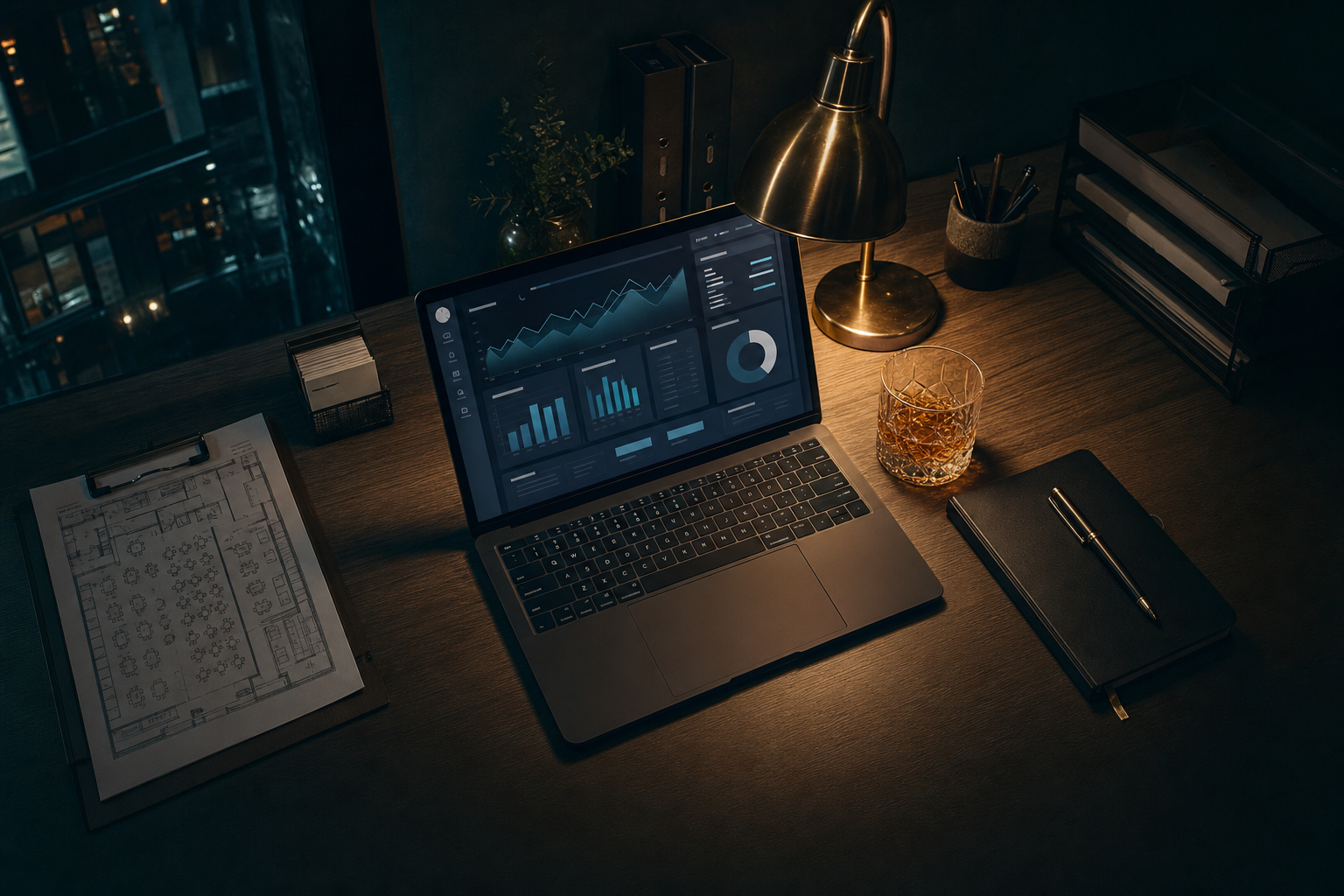
A simple dashboard. Reviews, inbox, guest activity, upcoming events, and revenue indicators on one screen. The information you actually need to make Monday morning decisions.
What it isn't
It isn't a marketing agency funnel. It isn't an off-the-shelf SaaS subscription you log into and figure out yourself. It isn't a chatbot answering for you with no oversight. And it isn't trying to replace your POS or your reservation system. KMS Connect sits on top of those, pulls what it needs, and gives your team one place to actually do the work.
What automation buys you
I'm going to be specific because most operators have heard a vague pitch about automation and tuned it out.
Time. A single-unit bar or restaurant running this stack saves 15 to 25 hours of management time per month. That's the manager and the owner combined, getting back almost two full work days every month that currently goes into multi-tab tab-switching and inbox archaeology.
Revenue. Higher review response rate moves your local search ranking, which moves walk-in traffic. Lapsed-guest sequences reactivate roughly 8-12% of the guests they hit. Birthday automations book 20-30% of the guests who get them. Event response time inside an hour wins more bookings than response time inside a day, by a wide margin. None of this is magic. It's just doing the work that nobody had time to do before.
Sleep. This one matters more than people admit. The inbox doesn't haunt you when you go home. The reviews don't pile up while you're at your kid's game. The system handles the things that don't need you, and surfaces the things that do.
How an implementation actually goes
KMS Connect is something I configure for one client at a time. The implementation arc is about 60 days.
Week 1-2: All your inboxes connected. One queue running. Your knowledge base is built so the AI knows your hours, your reservation policy, your event process, your allergen FAQ, and your voice.
Week 3-4: Review response workflow live with a manager approving drafts. Guest tags and the basic CRM structure imported from your existing reservation or POS data.
Month 2: Birthday automations, lapsed-guest sequences, event confirmation flows, reservation reminder sequences, all running. Manager training is done. The dashboard is on the manager's screen every morning.
After that: refinement, expansion, and the addition of the workflows that are specific to your operation. The platform keeps getting more useful the more it learns about how you actually run.
The math on cost
The honest answer: this isn't free, and operators who try to build it themselves with off-the-shelf parts usually spend more and end up with less. A working KMS Connect implementation is one fee that covers the configured platform, the knowledge base build, the AI training, the workflow deployment, and the team onboarding. Then a monthly subscription that covers the platform, the AI inference, the SMS and messaging volume, and the ongoing system tuning.
Stack it against what you're paying for separate review management, separate email tools, separate SMS, and the management hours that go to keeping all of that running in parallel. KMS Connect comes out cheaper for almost every single-unit operator I've put through it, and that's before you count the revenue lift from doing the work that nobody had time to do.
How to know if you're ready
If your manager's day starts in eight tabs and ends with three of them still unanswered, you're ready. If your review response rate is under 50% and you know it but can't seem to fix it, you're ready. If you can name three guests by face who used to come in weekly and you haven't seen in two months, you're ready.
If everything's running fine and the team has time to spare, you don't need this. Most operators don't fall in that category.
What to do next
KMS Connect is one of the things I deploy out of my consulting practice. I take a small number of clients at a time so I can actually be in the build with each one. If you want to see what an implementation would look like for your bar or restaurant, reply to any email from me, or reach me directly at jason@jlittrell.com.
The first conversation is 30 minutes. I'll walk through what your operation looks like now, where the time is going, and what KMS Connect would change. If it's a fit, we book the build. If it's not, I'll tell you that and point you at what you actually need.